Sat Dec 20
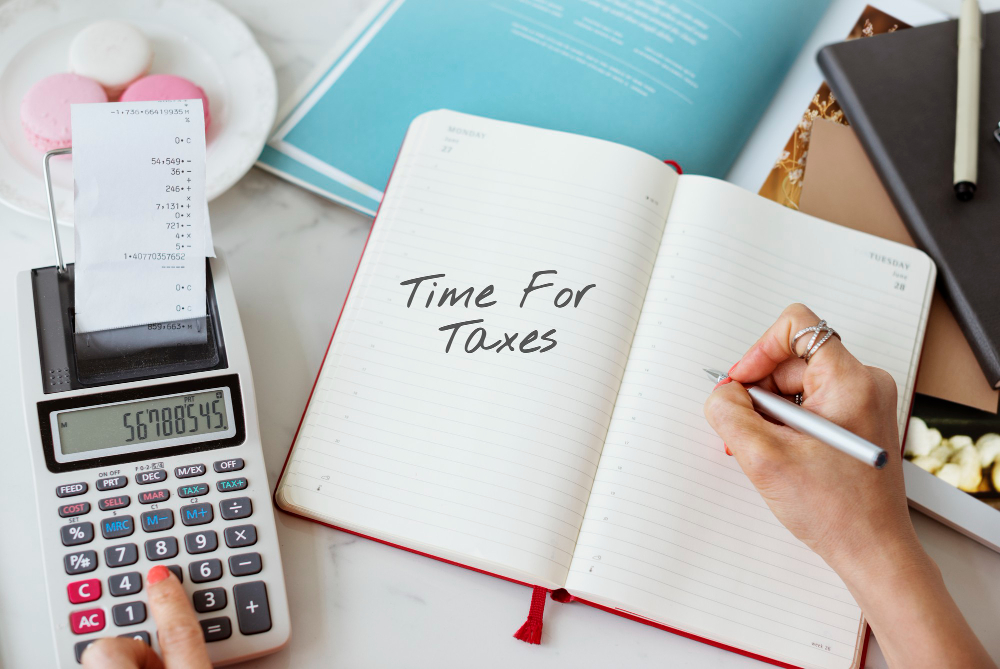
Tax season in Canada can feel overwhelming, but with proper preparation, it doesn’t have to be stressful. Whether you are an employee, self-employed, or a business owner, getting organized early can save you time, money, and unnecessary headaches. This step-by-step guide will help you prepare for tax season efficiently and confidently.
Step 1: Know the Key Tax Deadlines
Understanding important tax deadlines is crucial. For most individuals, the deadline to file a personal income tax return (T1) is April 30. If you are self-employed, you have until June 15 to file, but any taxes owing must still be paid by April 30 to avoid interest charges. Mark these dates on your calendar to stay on track.
Step 2: Gather All Required Documents
Start collecting your tax documents early. Common documents include T4 slips from employers, T5 slips for investment income, and T3 slips for trust income. If you are self-employed, gather records of business income and expenses. You should also collect receipts for deductible expenses such as medical costs, childcare expenses, charitable donations, and tuition fees.
Step 3: Organize Your Records
Keeping your documents organized can make filing much easier. Create folders, either digital or physical, for income, expenses, and deductions. If you use accounting software or spreadsheets, ensure everything is updated and accurate. The Canada Revenue Agency (CRA) recommends keeping tax records for at least six years.
Step 4: Understand Your Deductions and Credits
Canada offers many deductions and tax credits that can reduce your tax bill. Common ones include the basic personal amount, RRSP contributions, tuition credits, and the Canada Child Benefit. If you work from home or are self-employed, you may also qualify for home office expense deductions. Knowing what you’re eligible for can make a significant difference.
Step 5: Decide How You Will File
You can file your taxes yourself using CRA-approved tax software, file online through NETFILE, or hire a professional accountant or tax preparer. If your tax situation is complex or you are unsure about deductions, professional help may be a wise investment.
Step 6: Review and Submit Carefully
Before submitting your return, review all information for accuracy. Small errors can lead to delays, reassessments, or penalties. Double-check your income amounts, deductions, and personal details to ensure everything is correct.
Step 7: Plan Ahead for Next Year
Once tax season is over, take steps to make next year easier. Set aside money for taxes if you are self-employed, track expenses regularly, and consider tax planning strategies such as RRSP contributions.
Preparing for tax season in Canada doesn’t have to be difficult. By staying organized, understanding your obligations, and planning ahead, you can file with confidence and avoid last-minute stress.